
For many WA business owners, Workers Compensation is a cost that often only gets attention when renewal arrives. But each year, the recommended rate changes tell a much bigger story about claims trends, workforce pressures, insurer sentiment, and the industries attracting the most scrutiny.
The WorkCover WA 2026/27 recommended Workers Compensation rates have again delivered a split result across the market. Some industries have seen welcome relief after sustained pressure, while most others are facing significant increases that will place further strain on already tight operating margins.
For business owners, these movements matter. They can affect insurance costs, budgeting, insurer appetite, and even whether employees have been placed under the right classification. Just as importantly, they show why Workers Compensation should not be treated as a simple annual transaction. In a market like this, expert advice matters.
At Elliott Insurance – The Green Broker, we see these rate changes as more than just numbers on a page. They are practical indicators of where claims pressure is building, where conditions are stabilising, and where business owners need to pay closer attention to risk management, claims handling, and classification accuracy.
Why the WorkCover WA Recommended Rates for 2026/27 Matter
Workers Compensation premiums are influenced by more than just payroll. Broader claims experience across an industry plays a major role, which means a business can still face increased costs even if it has not made a claim itself. In the same way, an industry can receive some relief even if it is traditionally seen as high risk.
That is why annual rate movements are so important. They reflect how the market is responding to claim frequency, claim severity, psychological injury trends, return to work outcomes, and insurer confidence across different sectors.
For WA business owners, the practical issue is straightforward. If your industry is under pressure, your costs may rise quickly. If your industry has improved, you want to make sure that improvement is flowing through properly. Either way, understanding where your business sits has become more important than ever.

The Winners: WA Industries Seeing Relief in 2026/27
Labour Supply Services – Predominantly Clerical Staff
12.38% reduction
This is one of the strongest positive movements in the 2026/27 recommended rates and a genuine result for labour hire businesses.
The labour hire sector has already been heavily impacted by major increases across a range of classifications, so a reduction for predominantly clerical staff is meaningful relief. For operators already absorbing cost increases elsewhere in the business, this is a timely improvement.
From a business owner’s perspective, it also highlights an important point: not every employee in the same business carries the same Workers Compensation profile. Internal office staff, payroll teams, administration employees, and coordinators do not present the same exposure as field-based workers placed into higher-risk environments. Where those roles are properly separated and classified correctly, the premium impact can be significant.
This is exactly the sort of detail many business owners overlook. A business that treats all employees the same for Workers Compensation purposes can easily miss opportunities to achieve a fairer outcome.

Bricklaying Services
8.99% reduction
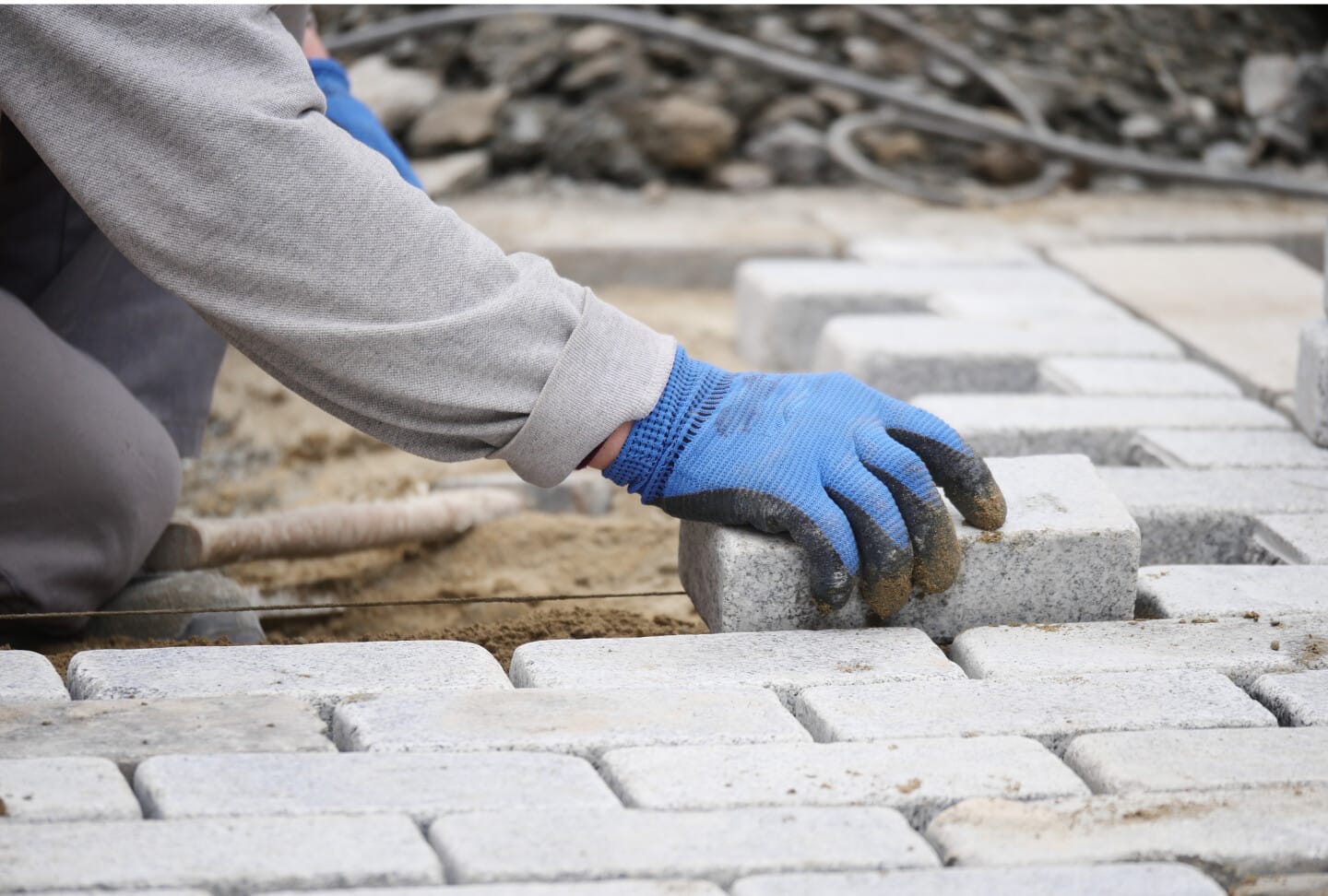
Bricklaying is not a trade most people would expect to see on the winners list. It is physically demanding work, often involving repetitive strain, awkward body positions, manual handling, and a high incidence of upper limb and musculoskeletal injuries. That is precisely why this reduction stands out.
A near 9% drop suggests a more favourable claims picture than many would assume from the outside. For bricklaying businesses, that is encouraging news in a trade that has long felt the pressure of rising costs, labour shortages, and a challenging physical injury profile.
That does not mean the trade has suddenly become low risk. It remains a physically intensive occupation with real injury exposure. But it does suggest that, at an industry level, claims outcomes may have improved enough to warrant some relief.
For business owners in bricklaying, this is also a reminder that strong site safety, proper manual handling controls, supervision, and early claims intervention still matter. Better industry performance is rarely accidental.
Logging
8.36% reduction
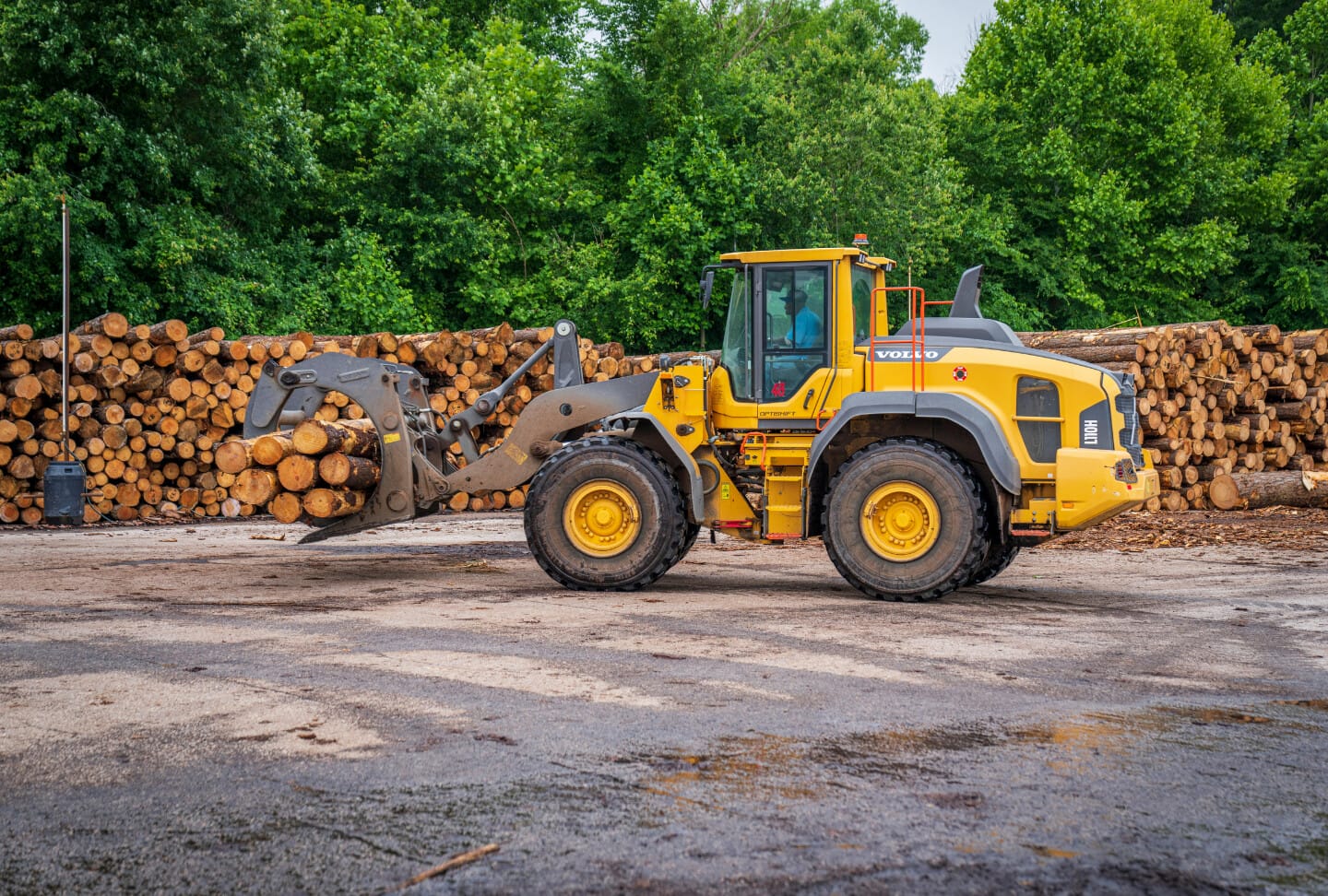
Logging remains one of the more hazardous industries across regional and agricultural sectors, so any reduction in this category is worth noting.
This is a class associated with heavy machinery, difficult terrain, remote work conditions, fatigue exposure, and the potential for serious injury. On the surface, it is not the sort of trade many would expect to move favourably. That is why this reduction is notable.
It also appears to sit within a broader trend of stronger outcomes across some agricultural and related industries this year. For logging businesses, this may point to improving claims performance, better operational controls, or a more stable loss environment than in previous periods.
For owners working in forestry and regional contracting, this is positive news, but not a reason to become complacent. Logging remains a difficult industry from a risk perspective, and businesses that continue investing in training, supervision, fatigue management, and equipment safety will still be in the strongest long-term position.
Fixed Space Heating, Cooling and Ventilation Equipment Manufacturing
9.87% reduction
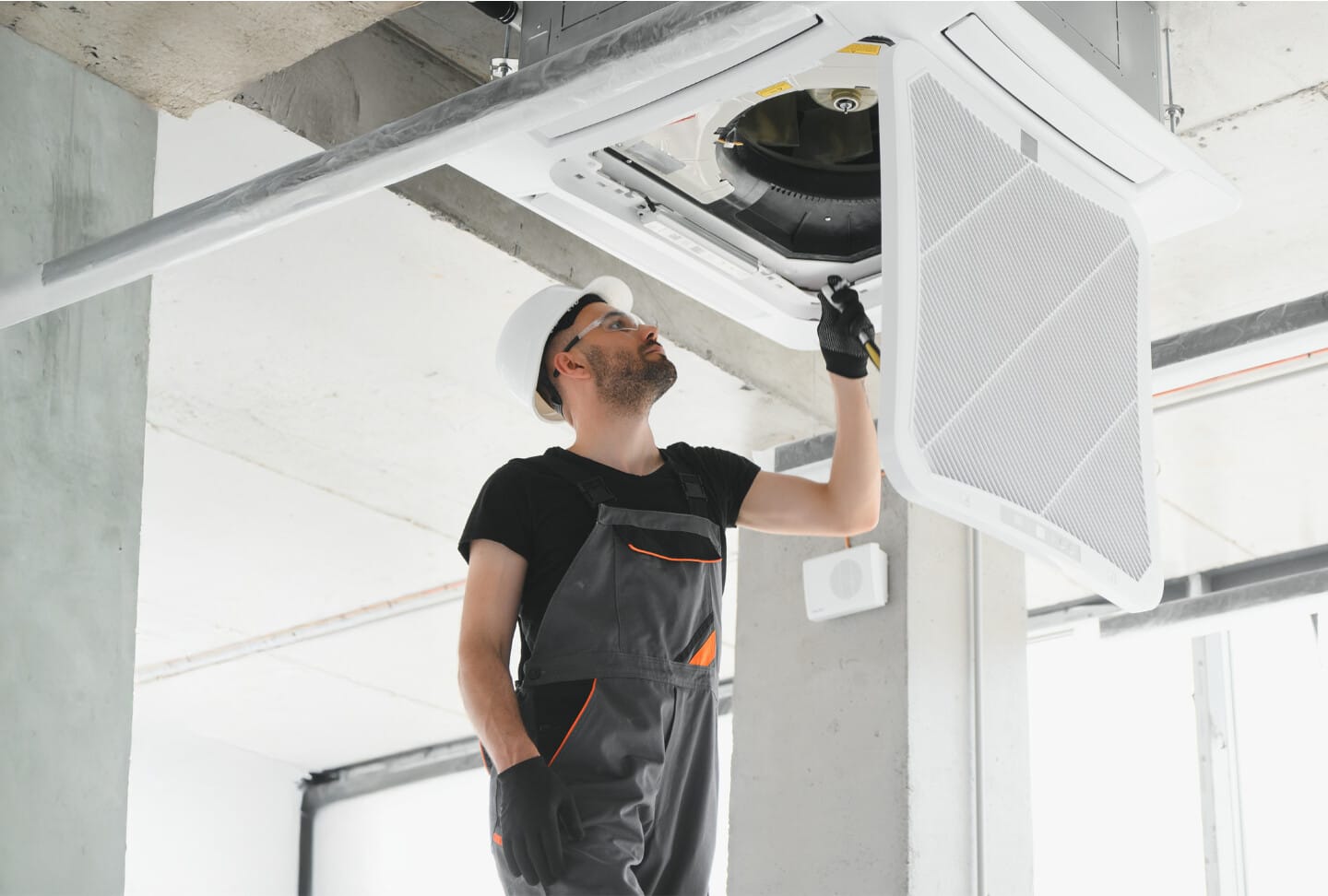
Manufacturing has seen mixed results in the current rate environment, with many classes facing upward pressure. That makes this almost 10% reduction particularly significant.
For businesses in this subclass, the result provides welcome breathing room in a sector where costs have often been trending the other way. Manufacturing exposures are varied, but commonly include machinery risk, repetitive tasks, manual handling, and injuries that can lead to consistent claims activity if not carefully managed.
The fact that this category has moved down while other manufacturing classes have increased is also a useful reminder that broad labels can be misleading. Not every manufacturing business presents the same exposure, and not every subclass should be treated as though it carries the same risk.
For business owners, the lesson is simple: the detail matters. Being broadly described as a manufacturing business is not enough. The exact nature of the work can materially affect premium outcomes.

Gardening Services
1.66% increase
Gardening Services is an unusual inclusion on the winners side because technically it has still increased. But context matters.
After a 10% increase last year and an 18% increase the year before, a rise of just 1.66% represents a very different story. For those within the gardening and arboriculture industry that have already absorbed repeated cost pressure, this looks far more like stabilisation than escalation.
That matters because sustained year-on-year increases can be just as difficult to absorb as one major jump. When a category begins to settle, it gives business owners greater confidence that the premium pressure may finally be easing.
Gardening and Tree Services work still involves meaningful exposure through manual handling, repetitive physical tasks, machinery use, heat, uneven surfaces, and vehicle movement. It is by no means a low-risk class. But compared with the sharp rises of prior years, this year’s result will likely be seen as a welcome improvement.
The Losers: Western Australian Industries Facing the Heaviest Pressure in 2026/27
Landscape Construction Services
22.50% increase
Landscape Construction Services has recorded one of the largest increases in the 2026/27 recommended rates, and it is not difficult to understand why.
This trade sits in a particularly difficult position from a Workers Compensation perspective. It often combines heavy manual labour, excavation, retaining structures, paving, concreting, outdoor environmental exposure, plant and equipment use, and highly variable site conditions. On top of that, much of the industry is made up of small to medium-sized operators, many of whom do not have the same formal systems, training frameworks, or supervision structures as larger contractors.
That combination can create a challenging claims environment. When physically demanding work is paired with inconsistent safety systems, weaker documentation, and limited return to work processes and availability, the result is often higher claim frequency and more difficult claim outcomes.
For business owners in this sector, the increase is a strong reminder that insurance cost and operational discipline are closely linked. Businesses with poor systems are likely to feel the pressure most, while those with strong safety procedures, training records, and active claims management will be better placed at renewal.

Office Administration Services
25.00% increase
This is one of the most striking, and for many business owners, one of the most surprising increases in the entire schedule.
Office-based work is often assumed to be low risk. In terms of physical injury alone, that assumption might seem reasonable. But Workers Compensation outcomes are no longer driven only by manual handling and workplace accidents. Psychological injury claims have become a major factor in some office-related categories, and this class appears to be feeling that pressure.
There is another important issue here. Office Administration Services is also a category where businesses often place staff by default without fully considering whether it is actually the right fit. That matters because incorrect classification can lead to poor pricing outcomes, classification disputes, or issues if the placement is later reviewed.
For business owners, the message is clear: office staff should not simply be assigned to a general administrative category without proper review. The right classification depends on the actual duties being performed and the nature of the business itself. With a jump like this, that distinction becomes even more important.

Roofing Services
9.29% increase
Roofing continues to be one of the hardest trades hit in the insurance market, and this latest increase only reinforces that.
The reasons are clear. Roofing involves working at heights, serious injury potential, physically demanding tasks, heat exposure, falls risk, and a higher severity profile when claims do occur. Insurers understand that very well, and many are already cautious when assessing roofing businesses.
From a business owner’s perspective, the challenge is not just the rate increase itself. It is the broader insurer attitude that often comes with it. When a trade is already under pressure from an underwriting point of view, even a single-year increase can compound an already difficult insurance position.
That is why roofing businesses need to be particularly strong in how they present themselves. Clear training procedures, height safety controls, induction records, documented supervision, and proactive claims management are no longer optional. They are essential to remaining attractive to insurers and controlling long-term premium pressure.

Catering Services
25.09% increase
Catering Services has recorded one of the largest increases in this year’s recommended rates, reflecting the difficult claims profile often seen across hospitality-related operations.
Catering can appear straightforward from the outside, but it carries a challenging combination of exposures. Casual and part-time workforces are common, labour turnover can be high, work is often fast-paced and physically repetitive, and tasks frequently involve cuts, burns, slips, lifting, and constant time pressure. The result is often a high number of small and medium claims that build up over time and drag the class upward.
For business owners, this is an important lesson. Workers Compensation pressure is not always caused by catastrophic injuries. In many industries, it is repeated lower-level incidents that gradually push costs higher.
This increase should prompt catering businesses to look closely at supervision, onboarding, workplace training, incident reporting, and return to work practices. Businesses that treat regular minor injuries as unavoidable often end up paying more for that approach later.
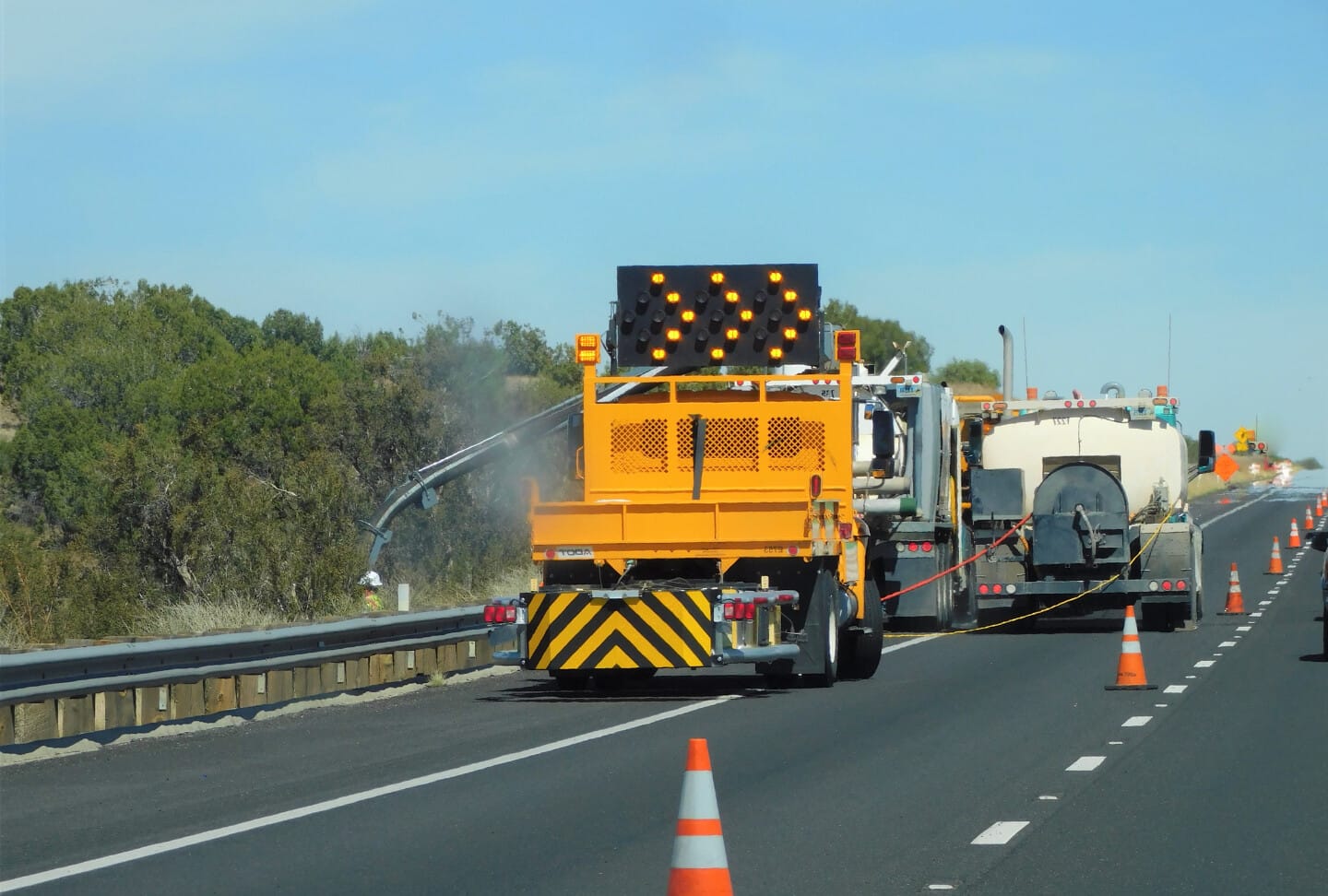
Road and Bridge Construction
13.92% increase
Road and Bridge Construction has also seen a meaningful increase, which aligns with the intensity of major infrastructure activity around the country.
This is a class with obvious exposure to heavy civil works, large-scale plant, traffic interaction, remote and complex worksites, physically demanding labour, and significant safety challenges. It is also a sector that can be strongly influenced by broader market conditions. When infrastructure work increases, project volume rises, labour demand tightens, deadlines intensify, and pressure on safety systems can grow.
That does not automatically mean claims outcomes worsen, but it can create an environment where incidents become more likely if operational discipline slips.
For contractors and business owners operating in road and bridge construction, this increase is a reminder that strong site management, contractor control, fatigue management, traffic planning, and claims oversight remain critical. In busy markets, the businesses that maintain discipline are usually the ones best positioned over time.
What WA Business Owners Should Take from These Results
The biggest takeaway from the 2026/27 rate changes is that Workers Compensation is becoming more complex, not less.
Premiums are not simply a reflection of your payroll. They are shaped by the wider performance of your industry, the way your staff are classified, the strength of your risk controls, and how claims are managed over time.
That means business owners can find themselves paying more than necessary if:
- Employees are sitting in the wrong classification,
- Claims are being managed reactively instead of proactively,
- Return to work procedures are weak,
- The business is not being presented properly to insurers;
- No one is reviewing how the business compares with others in the same sector.
For some businesses, the answer may be as simple as reviewing staff placement. For others, it may mean taking a closer look at claims management, documentation, training, or insurer strategy. Either way, the days of treating Workers Compensation as a passive annual cost are over.
Why Expert Advice Matters
For most business owners, Workers Compensation is not an area they have the time or technical knowledge to monitor in depth. Nor should they have to. Their focus is on running the business, managing staff, serving customers, and protecting margin.
That is where specialist advice matters.
The right broker does more than arrange a policy. They help review classification, explain why premiums are moving, identify where the business may be exposed, and support a stronger strategy at renewal. They can also help ensure the business is not being unfairly disadvantaged by poor placement, weak presentation, or an unmanaged claims story.
In a market where some industries are receiving relief and others are being hit with increases above 20%, that level of advice can make a real difference.
Conclusion
The WorkCover WA 2026/27 recommended Workers Compensation rates have created clear winners and losers across the WA market. For some industries, the latest movements will come as overdue relief. For others, they are another reminder that claims pressure, industry performance, and insurer caution can quickly translate into higher cost.
For business owners, the important question is not simply whether rates have gone up or down. It is whether the business is positioned properly in response.
If your industry is under pressure, now is the time to review your setup. If your class has improved, now is the time to make sure you are benefiting from it. And if you are unsure whether your employees are classified correctly or whether your current arrangement still makes sense, a review may already be overdue.
Workers Compensation is no longer just an insurance issue. It is a business risk issue, a cost issue, and increasingly, a strategic issue.
If you are unsure what the 2026/27 recommended rates mean for your business, contact Elliott Insurance – The Green Broker. We help WA business owners review their Workers Compensation position, check classification issues, and better understand how claims history, insurer appetite, and industry conditions can influence renewal outcomes. Call 1300 635 315 or email [email protected] to discuss whether your current Workers Compensation arrangement is still the right fit for your business.
Disclaimer: The information in this article is general in nature and is provided for informational purposes only. It is not personal advice and does not take into account your business’s objectives, financial situation, industry classification, claims history, or insurance needs. Workers Compensation premiums and outcomes can vary depending on a range of factors, including payroll, classification accuracy, insurer appetite, and claims experience. You should obtain advice tailored to your circumstances before relying on this information or making decisions about your cover.